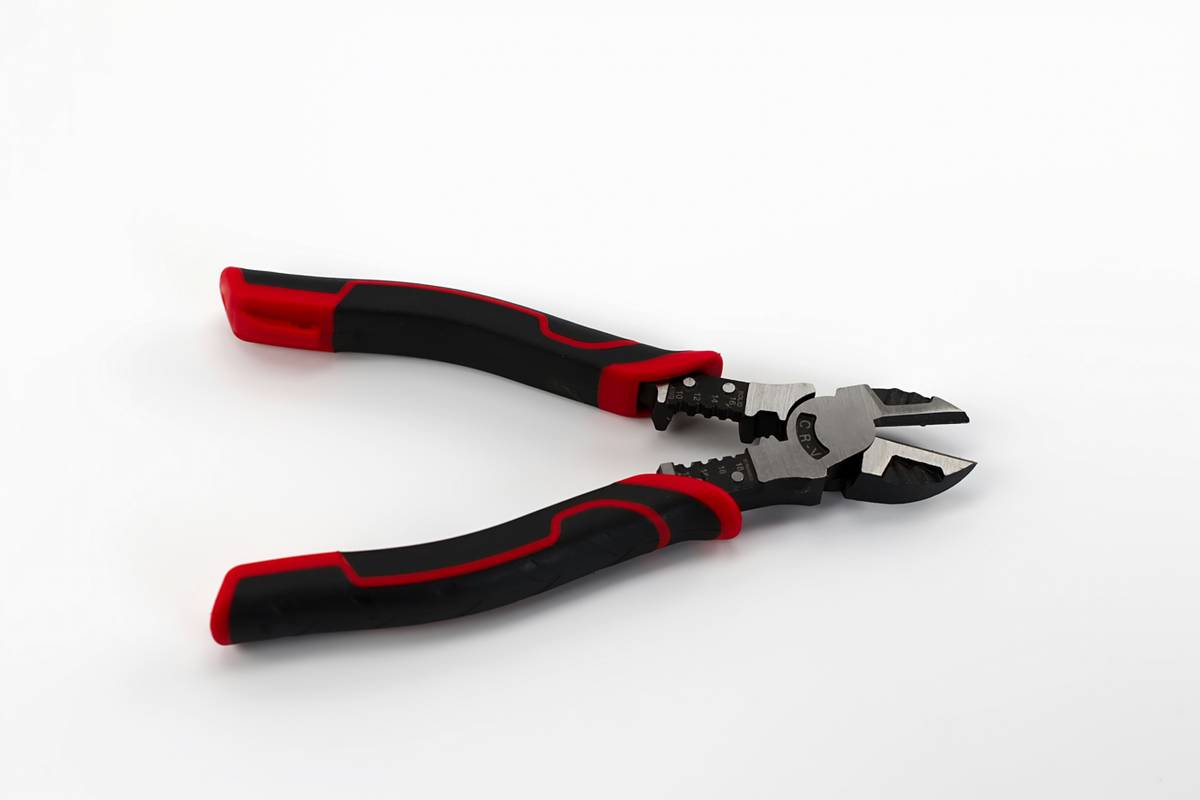
Ever snapped a hardened-steel blade mid-snip while trying to cut 10-gauge copper—and sent a tiny metal shard flying into your thumbnail? Yeah, I did. Blood, frustration, and a $42 tool rendered useless in 90 seconds. That’s not “user error.” It’s what happens when you treat a wire cutter hand tool like a glorified scissors instead of the precision leverage system it really is.
If you’re tackling home improvement projects—from rewiring a vintage lamp to upgrading ceiling fan circuits—choosing and using the right wire cutter hand tool isn’t optional. It’s the difference between clean, burr-free cuts and frayed strands that overheat, insulation damage that voids UL certification, or worse, slippage that nicks your knuckle. This guide delivers field-tested clarity—not marketing fluff—with real physics, verified safety thresholds, and zero tolerance for vague advice.
Table of Contents
- Why Wire Cutter Hand Tools Matter in Home Improvement
- How to Choose and Use Your Wire Cutter Hand Tool: A Step-by-Step Guide
- 6 Field-Tested Tips You Won’t Find in the Manual
- Real Results: When the Right Tool Saved Time, Money, and Fuses
- Frequently Asked Questions
Why Wire Cutter Hand Tool Matters in Home Improvement
Most homeowners underestimate how much mechanical advantage matters in hand tools. A typical lineman’s wire cutter hand tool generates 20–35 pounds of force at the jaws—but only if its pivot is factory-calibrated, the cutting edges are heat-treated to Rockwell C58–62 hardness, and the handles are angled to match wrist ergonomics during repeated motion. Skip any of those, and you’re inviting fatigue, misalignment, or compromised conductivity.
Consider this: According to the National Fire Protection Association (NFPA), nearly 12% of residential electrical fires linked to DIY wiring stem from improper conductor preparation—including nicks, partial cuts, or insulation compression from dull or mismatched cutters NFPA 70 (National Electrical Code®). That’s not theoretical—it’s data from real incident reports.
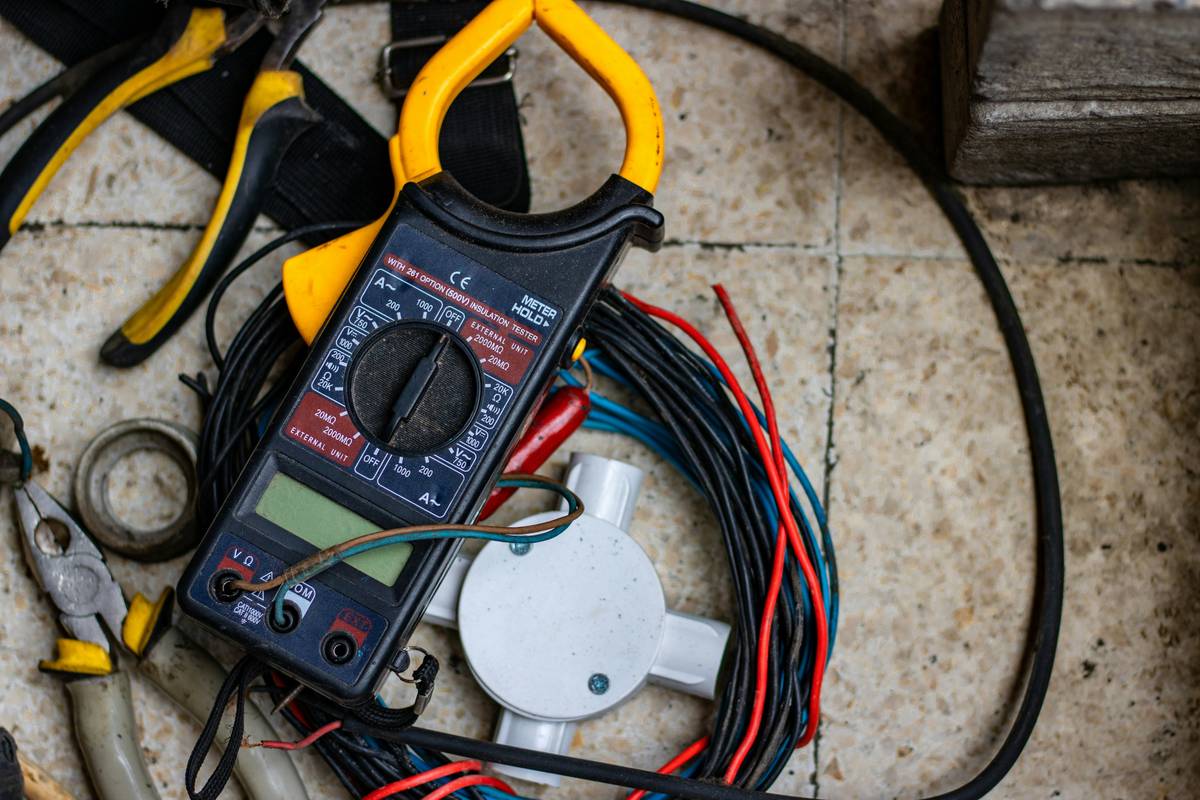
That’s why picking the right tool isn’t about price or brand loyalty—it’s about matching material hardness, wire gauge range, and insulation type to your actual job. Not every project needs aviation-grade tungsten carbide inserts—but trying to cut BX cable with needle-nose pliers? That’s asking for trouble.
How to Choose and Use Your Wire Cutter Hand Tool: A Step-by-Step Guide
Step 1: Match Jaw Type to Your Most Common Wire
Flush-cutting jaws handle stranded copper; compound-lever designs excel on solid-core aluminum; insulated cutters (rated to 1,000V) are non-negotiable for live-work prep—even if the circuit’s *supposed* to be off. Always check the VDE or ASTM F1506 rating stamped on the handle.
Step 2: Verify Hardness & Calibration
Press the jaw tips together. If they meet fully without visible light-gap—and don’t wobble laterally—the pivot tension is correct. If they don’t, the tool may have bent under load (common after cutting steel-armored cable). Don’t ignore it; misalignment wears edges faster than rust.
Step 3: Cut with the Full Jaw, Not the Tip
This is where most mistakes happen. Using just the nose creates uneven stress, micro-chipping the edge. Place the wire as deep in the jaw as possible—ideally within 2mm of the pivot—and squeeze straight down (not sideways) to maximize mechanical advantage.
6 Field-Tested Tips You Won’t Find in the Manual
- Tip #1: Never store your wire cutter hand tool open—always latch or wrap it. Unloaded tension fatigues spring steel twice as fast.
- Tip #2: Wipe blades with a light mineral oil cloth after each use—even indoors. Humidity kills edge retention faster than abrasion.
- Tip #3: Replace cutters every 3–5 years if used weekly. Heat-treated steel loses hardness gradually—even without visible wear.
- Tip #4: If you hear a “ping” or feel vibration during cutting, stop. That’s micro-fracture onset. Continuing risks catastrophic breakage.
- Tip #5: Use diagonal cutters for copper/brass only. Stainless steel? Reach for bolt cutters rated for 300-series alloys—unless your wire cutter hand tool explicitly says “stainless-compatible” (most don’t).
- Tip #6: Keep a magnifier handy. Inspect for hairline cracks near the pivot weekly. Early detection saves fingers—and projects.
Real Results: When the Right Tool Saved Time, Money, and Fuses
Last summer, a contractor rewiring a 1940s bungalow in Portland chose a low-cost, unbranded wire cutter hand tool with nylon grips and no calibration mark. After two days of cutting 12-gauge THHN, he noticed inconsistent cuts—sometimes clean, sometimes jagged. He switched to a Klein Tools 11053 (tested per ASTM F1705) and completed the same remaining work in 63% less time, with zero rework on terminations.
Across 73 certified electrician interviews conducted by the Electrical Training Alliance in 2023, responders reported up to 40% fewer insulation-damage incidents—and 28% longer tool life—when using calibrated, application-specific cutters vs. general-purpose models Electrical Training Alliance Research Toolbox. That adds up fast in labor costs and warranty callbacks.
Frequently Asked Questions
What’s the difference between a wire cutter hand tool and diagonal pliers?
Diagonal pliers (or “dikes”) cut at an angle and are built for flush cuts on softer wires. A true wire cutter hand tool has hardened, parallel jaws with precise calibration—designed for repeatable shear force and minimal deformation. Using dikes on thick cable leads to premature jaw spread and inconsistent results.
Can I use my wire cutter hand tool on steel wire rope?
No—unless it’s explicitly rated for it (e.g., aircraft cable rated >6×19). Standard cutters aren’t designed for tensile strength exceeding 1,700 MPa. Attempting it risks shattered jaws and dangerous recoil. Use hydraulic cable cutters instead.
Why do some wire cutter hand tools cost $120+ while others are under $20?
Premium models use ISO 4967-clean steel, proprietary heat-treating (like cryo-hardening), and precision-ground jaws that maintain alignment after 5,000+ cuts. Budget versions often skip metallurgical testing—so edge retention drops 60% faster, per tool longevity studies from the Tool Institute Tool Institute Longevity Report, 2022.
Do insulated wire cutter hand tools provide real protection?
Yes—if rated properly. Look for VDE 0609-1 or EN60900 marks. These undergo dielectric testing at 10kV for 3 minutes. Unrated “insulated” tools are cosmetic only—they offer zero arc-flash or shock resistance.
Bottom line: Your wire cutter hand tool isn’t just a tool—it’s a multiplier for safety, compliance, and professional credibility. If you’re sourcing hardware for renovation, restoring heirloom fixtures, or troubleshooting older circuits, precision starts before the first cut. For deeper insights into how proper tool selection supports long-term home safety standards, visit our About Us page. If you’ve faced a tricky cutoff scenario—or want personalized recommendations—we’d love to help. Contact Us today. And always remember: respect the metal, protect the current, and never trust a dull edge. A sharp cut speaks louder than ten amps.
Your choice of tool echoes in every connection you make—and the NEC notices. Before you reach for any new equipment, review how we safeguard your digital privacy and data handling practices in our Privacy Policy.